
APPLICATION / TV studios

TV studios

TV studios

What to define first

Camera, signal and control requirements.

Configuration to be confirmed for the project.

Products to discuss.

Options depend on market, model and installation review.

COB Fixed
IndoorFixed installation

COB Fixed

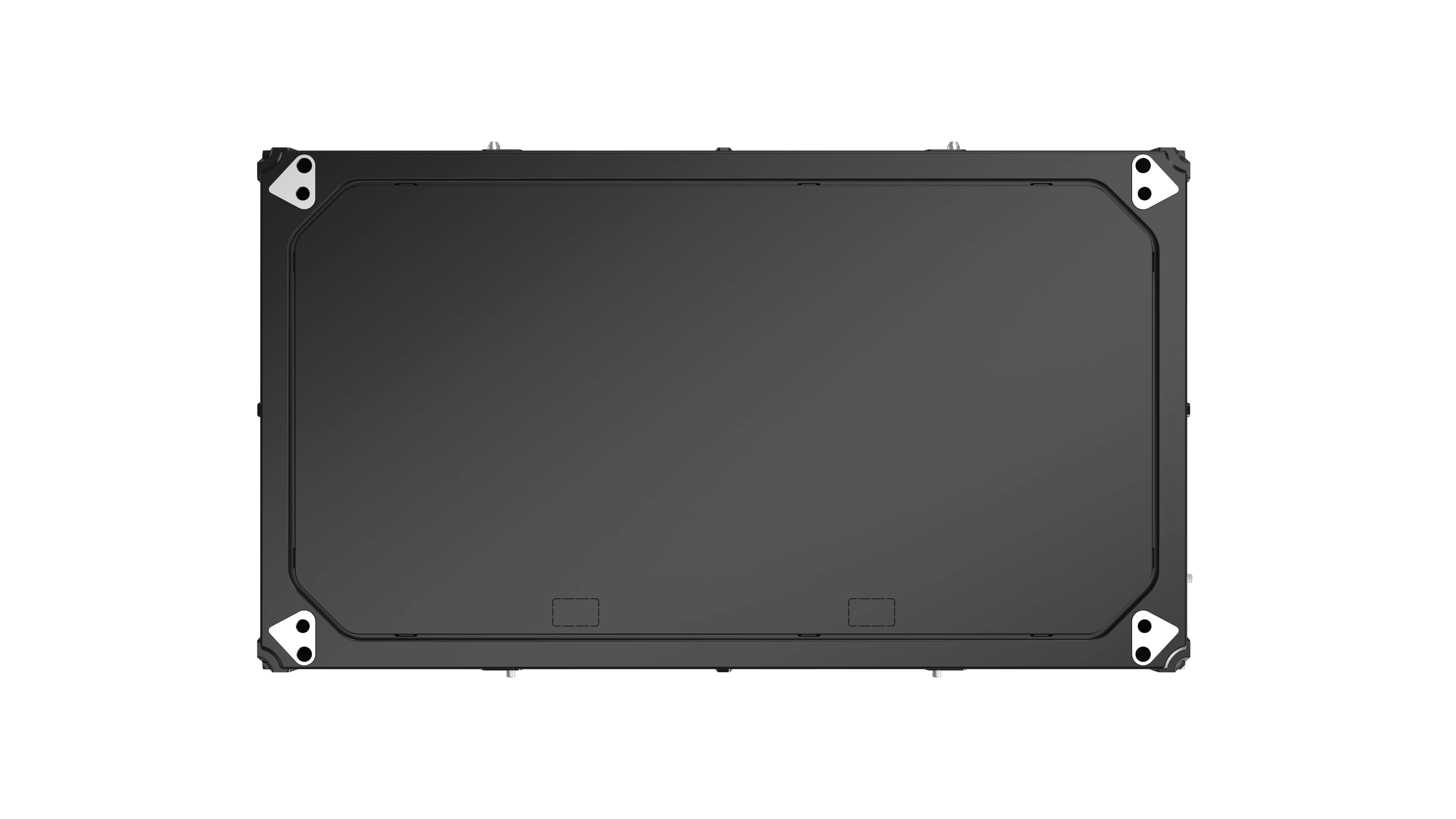
A 600 × 337.5 mm cabinet family for indoor installations.

IndoorRentalFixed installation

FBslim

Make LED part of your exhibition structure.

WallPaper
IndoorFixed installation

WallPaper

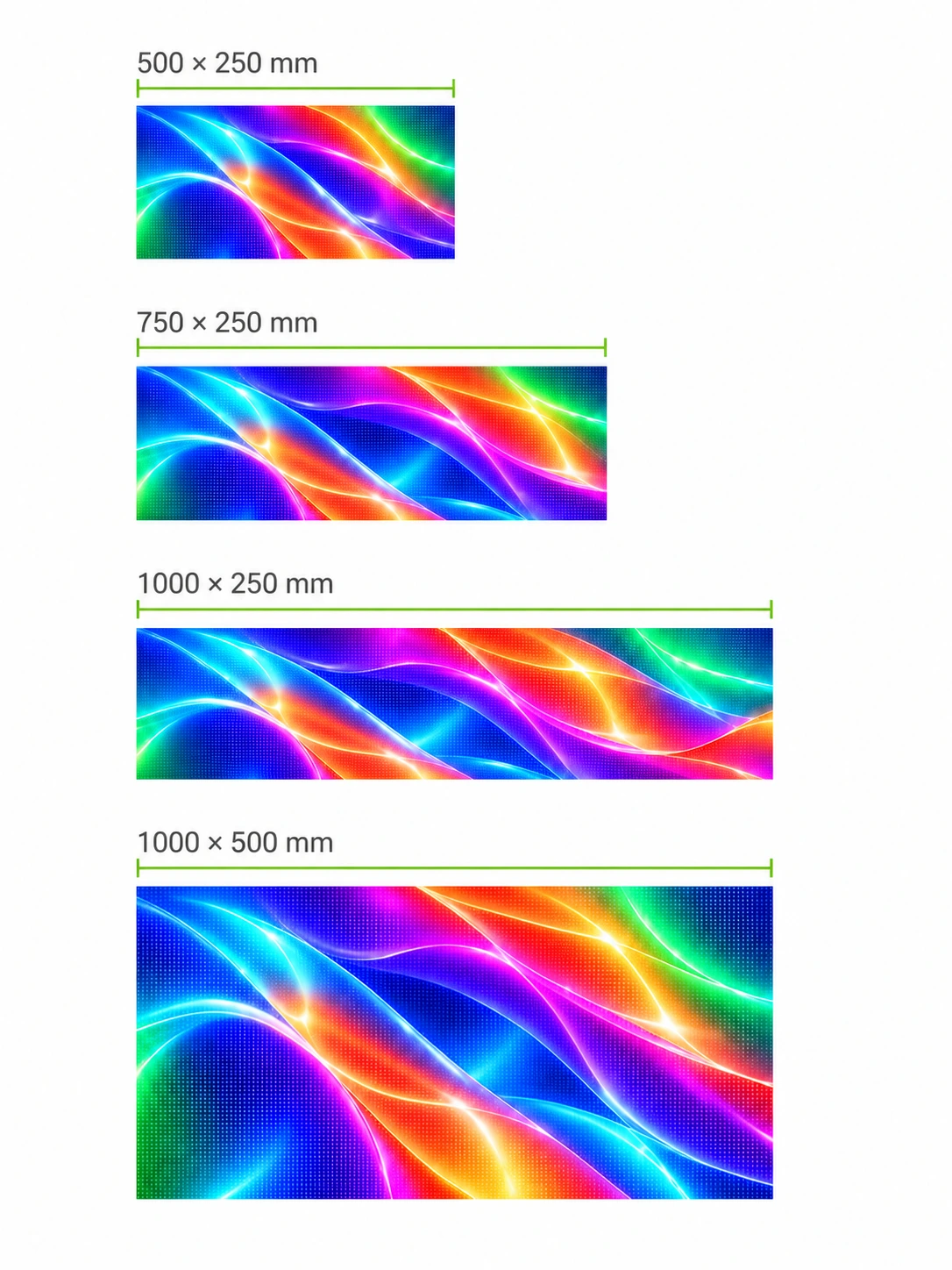
500 × 250 / 750 × 250 / 1000 × 250 / 1000 × 500 mm

TV studio display questions

What should you consider when selecting an LED display for a TV studio?

Studio display selection involves more than specifications: consider the lighting, cameras and installation environment together.

Colour temperature
Coordinate the display colour temperature with the studio lighting and camera white balance to reduce colour differences in the captured image.
Refresh rate and camera performance
Choose a high-refresh-rate display and test it with the intended camera frame rates and shutter settings to check for scan bands and flicker.
Surface reflections
Consider a matte surface finish, together with lighting positions and angles, to reduce reflections in camera shots.
Moiré control
Consider pixel pitch, camera distance, lens focal length and camera positions together. Test both static shots and camera movements.
Heat management and quiet operation
Studios require quiet operation. Assess heat output, ventilation and space for cooling, and control noise from both power supplies and cooling equipment to avoid interference with sound recording. Check noise at the intended operating brightness and load.
Electromagnetic compatibility and interference immunity
Studios contain many electronic devices, so pay particular attention to electromagnetic emissions and interference immunity. The display should minimise interference with cameras, audio systems and other equipment, while maintaining stable operation when multiple devices are running. Test the complete setup with the intended power supply, grounding and cabling, and check for interference in both the picture and sound.
Ultra-slim design and space efficiency
Studio space is often limited. Consider an ultra-slim design to reduce the depth occupied by the display and its mounting structure, leaving more room for cameras, lighting and people. Allow sufficient space for cooling, cabling and maintenance.

Base the final choice on camera tests under the actual lighting conditions; refresh rate alone does not determine filming performance.
WhatsApp